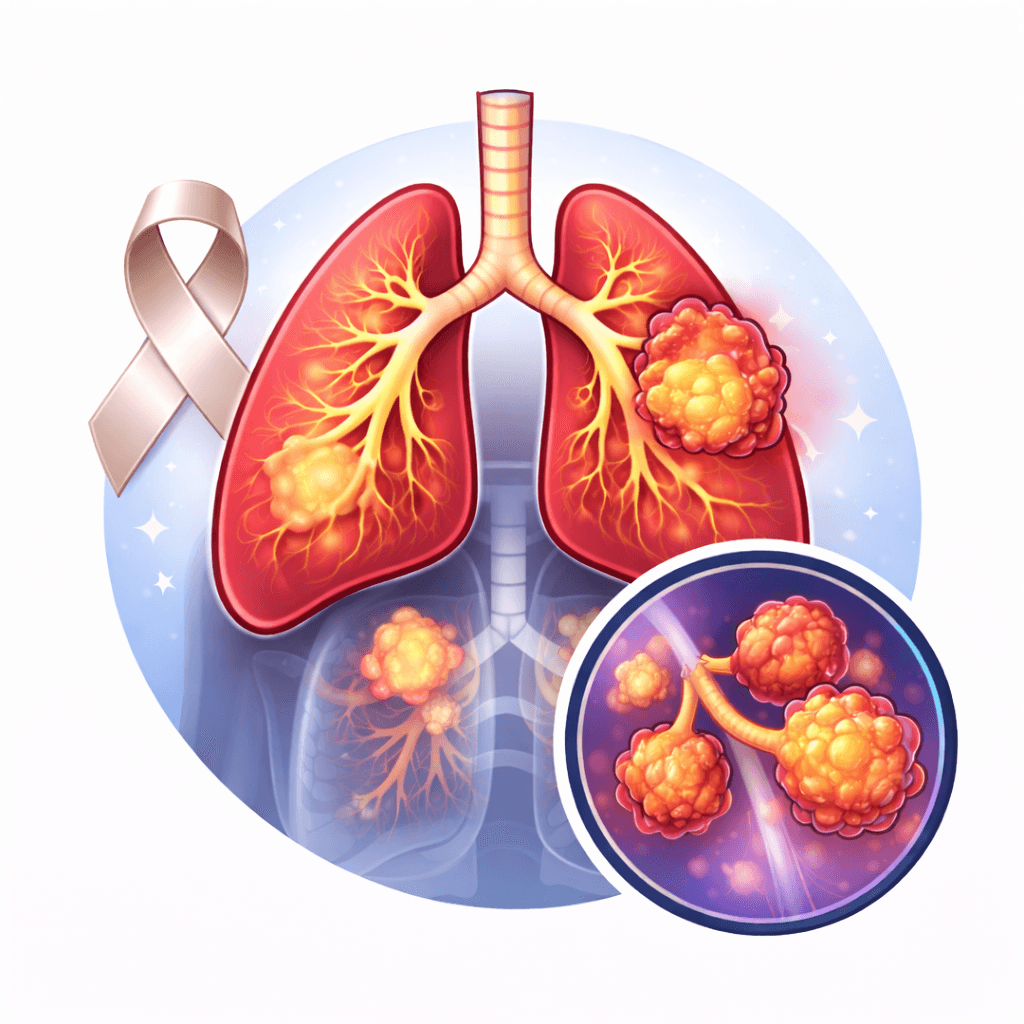
Lung nodules are small rounded areas identified on chest imaging. The vast majority are benign findings — scars from old infections, granulomas, or clinically insignificant changes. Not every lung nodule means cancer. The specialist's role is to carefully evaluate each case and determine whether observation alone or further investigation is needed.
When a nodule warrants more attention
- Growth over time on serial imaging
- Larger size or irregular shape
- History of heavy smoking
- Absence of calcification
- Specific characteristics on CT scan
Risk assessment is always individualized, considering both the nodule's characteristics and the patient's profile.
Lung cancer
Lung cancer occurs when lung cells grow uncontrollably. Smoking accounts for most cases, but the disease can also occur in non-smokers. Symptoms often appear only in more advanced stages — which is why screening in high-risk groups is essential.
- Persistent cough or change in cough pattern
- Progressive shortness of breath
- Chest pain
- Unexplained weight loss
- Coughing up blood
Diagnosis and screening
Investigation begins with chest CT scan, evaluating nodule characteristics. For high-risk individuals — smokers with over 20 pack-years and aged 50+ — low-dose CT screening can detect abnormalities before symptoms appear. When necessary, biopsy confirms the nodule's nature.
Treatment
Benign nodules usually require only periodic monitoring. When cancer is confirmed, treatment may include surgery, chemotherapy, radiation therapy, or modern targeted therapies — with better outcomes the earlier the diagnosis is made.
Specialist follow-up ensures correct risk assessment and guides the most appropriate monitoring plan for each person.