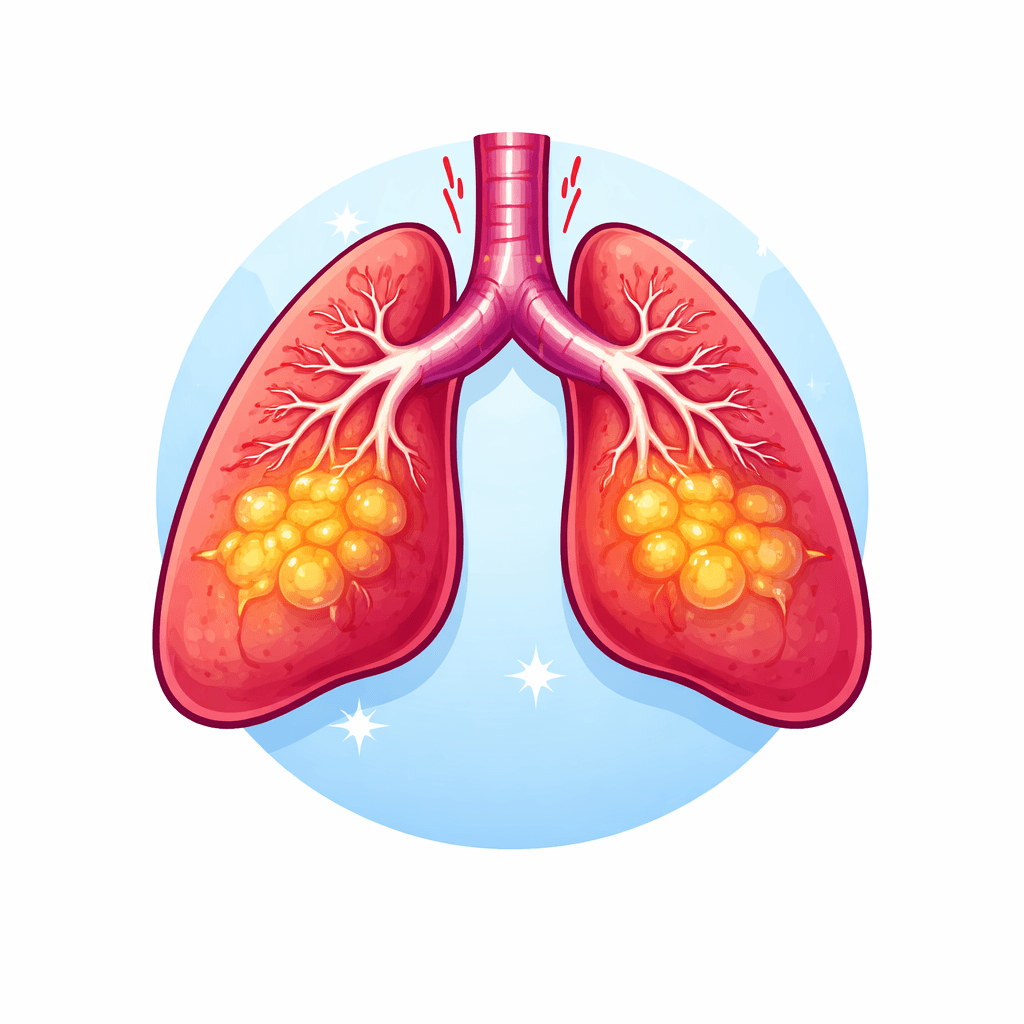
Pulmonary hypertension is elevated pressure in the arteries that carry blood from the heart to the lungs. Normally this flow happens easily. When the pulmonary vessels become narrower, stiffer, or obstructed, the heart must work harder to pump blood — and over time this overload compromises cardiac function and causes progressive symptoms.
Most common symptoms
- Progressive shortness of breath, especially with exertion
- Excessive fatigue
- Dizziness or fainting sensation during physical activity
- Chest pain or discomfort
- Leg or ankle swelling
- Rapid heart rate
Symptoms develop gradually and can be confused with other respiratory or cardiac conditions, which frequently delays diagnosis.
Possible causes
Heart diseases — especially left-sided cardiac conditions
Chronic lung diseases — COPD, pulmonary fibrosis
Chronic pulmonary embolism — clots persisting in vessels after acute embolism
Autoimmune diseases — systemic sclerosis, lupus
Pulmonary arterial hypertension — form directly affecting the pulmonary vessels
Liver diseases or rare conditions in some cases
How diagnosis is made
Echocardiogram — initial test estimating pulmonary artery pressure
- Chest CT scan
Lung scintigraphy — particularly to investigate chronic embolism
- Pulmonary function tests
- Cardiopulmonary exercise test
Right heart catheterization — the confirmatory and most precise test for measuring actual vessel pressure
Treatment
Treatment is directed at the cause and disease severity.
- Treatment of the underlying condition when identified
- Specific vasodilator medications for pulmonary hypertension
- Oxygen therapy when necessary
- Pulmonary rehabilitation to improve functional capacity
- Specialized and multidisciplinary follow-up
Early diagnosis allows appropriate treatment to begin, controlling symptoms and reducing the disease's impact on the patient's life.